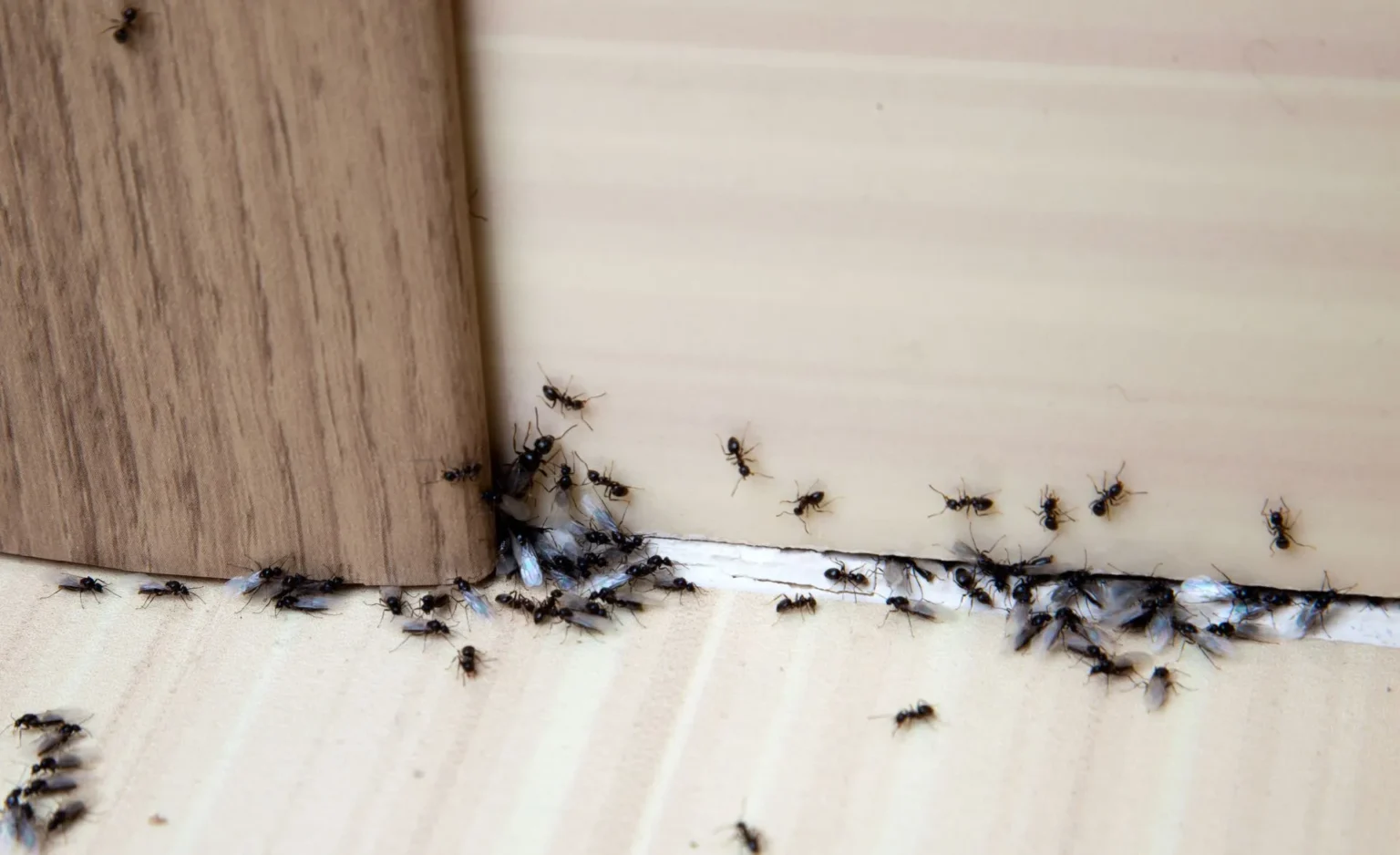
A property rarely develops a pest problem overnight. What usually happens is quieter than that. A few ants find a reliable water source behind a baseboard. Rodents test a gap around a utility line during a cold snap. Roaches settle near a warm motor under a refrigerator and stay hidden long enough to establish themselves. By the time the owner notices obvious activity, the infestation has often been in motion for weeks or months.
That gap between first activity and visible trouble is exactly why routine Pest Control Services matter. Good service is not built around reacting to emergencies alone. It is built around reducing the chances that pests can get https://marcoittu834.publishlane.com/posts/top-questions-to-ask-before-booking-pest-control-services established in the first place. For homeowners, landlords, commercial managers, and facility operators, that difference has practical consequences. Fewer surprises. Lower remediation costs. Less property damage. Less stress for occupants. Better sanitation and, in many settings, better compliance with lease obligations or health standards.
People sometimes think pest control begins with products. In practice, it begins with observation. The most effective routine service is not a quick spray and a receipt. It is a recurring process of inspection, prevention, targeted treatment, follow-up, and adjustment based on the season, the building, and the pest pressures in that area. Properties stay pest-free when someone is paying attention before problems become expensive.
Routine service is really a prevention program
The phrase "pest-free" can create unrealistic expectations if it is interpreted too literally. No property exists in a vacuum. Insects and rodents live outdoors, weather shifts their behavior, and neighboring buildings influence migration. A better way to understand the goal is this: routine service keeps normal pest pressure from turning into active infestation.
That distinction matters. A single spider wandering in from the garage is not the same as a recurring entry pattern caused by poor sealing and excess harborage. A few swarmers during termite season are not the same as an established colony feeding inside structural wood. Skilled technicians look for patterns, not isolated events.
On a well-serviced property, routine visits interrupt those patterns early. Entry points get flagged. Moisture issues are noticed while they are still manageable. Food sources are identified before pests multiply around them. Treatments are applied where they have the most effect, rather than after a broad infestation forces larger intervention. Over time, the environment becomes less attractive and less accessible to pests.
In residential settings, this often shows up as steady quiet. Fewer callbacks. Fewer sightings around kitchens and bathrooms. Reduced seasonal spikes in ant or wasp activity. In commercial settings, the value is even more visible because pest activity can disrupt operations, damage inventory, trigger complaints, and harm reputation.
What technicians actually look for on recurring visits
A proper recurring visit is more investigative than many clients expect. The best technicians do not just check a box and move on. They inspect conditions that support pest survival, which often means focusing on the small details that property occupants stop noticing.
Cracks along exterior foundations, deteriorated door sweeps, and gaps where cable lines enter a wall all matter. So do overflowing gutters, irrigation overspray against siding, cluttered storage zones, cardboard accumulation, grease build-up around cooking equipment, and standing water near HVAC components. Pests exploit convenience. If a building offers food, water, shelter, and access, some species will take advantage.
During routine service, technicians also track changes from one visit to the next. Has recent rain increased mosquito pressure in the yard? Did landscaping grow dense against the building and create a bridge for ants? Has a tenant started storing pet food in a garage that now shows rodent droppings? These are not dramatic discoveries, but they are the kind that prevent a minor issue from expanding.
A strong service report should reflect that level of attention. It should note activity, conditions, treatments used, and recommended corrections. In my experience, the properties that stay in the best shape are usually the ones where owners actually read those notes and act on them.
Why frequency matters more than many people realize
One of the most common misconceptions is that a single thorough treatment should solve everything for a long time. That can happen in rare, simple situations, but most pest pressure is ongoing. New insects hatch, weather changes movement patterns, and barriers degrade over time. Routine service works because it creates continuity.
Monthly, bimonthly, or quarterly schedules are not arbitrary. They are chosen based on pest biology, regional climate, building use, and historical activity. In a dry climate with low pressure and a well-sealed home, quarterly service may be perfectly adequate. In a humid region with long warm seasons, monthly or every other month may be more realistic, especially for properties with recurring ant, roach, or mosquito pressure.
Rodents are a good example of why timing matters. A small gap that allows one mouse in during autumn can lead to repeated incursions if not corrected before temperatures keep dropping. Likewise, German cockroaches in multifamily housing often require tighter follow-up because their reproductive cycle does not wait for the owner’s convenience. If service intervals are too far apart, technicians spend more time chasing growth instead of suppressing it.
Routine service also allows seasonal planning. Many pests are more effectively managed before peak activity. Exterior treatments and exclusion checks ahead of spring, wasp nest monitoring in early warm months, rodent prevention before winter, and moisture-focused inspections during wet periods all produce better results than waiting for a surge of complaints.
The hidden economics of prevention
Emergency pest work is almost always more expensive than prevention, even when the invoice for routine service looks like the bigger commitment at first glance. The reason is simple. Infestations spread costs across more categories than treatment alone.
A minor rodent issue caught early may require sealing two openings, setting a few traps, and adjusting sanitation practices. Left alone, the same issue can involve damaged insulation, chewed wiring, contaminated storage, strong odor remediation, and repeated technician visits. The same logic applies to termites, bed bugs, pantry pests, and cockroaches, each in their own way.
For property managers, the financial argument gets stronger when turnover and complaints are part of the picture. A vacant unit delayed by roach remediation costs rent. A restaurant that fails an inspection loses more than the service fee it tried to save. A warehouse with stored product damage can see losses that dwarf the cost of a yearly pest management contract.
Routine Pest Control Services tend to stabilize budgeting. Owners know what recurring service costs, and they reduce the chances of facing larger corrective work under time pressure. It is not glamorous spending, but it is predictable spending, which matters in both residential and commercial operations.
Different pests require different habits of prevention
Not all pests respond to the same strategy, which is another reason routine service outperforms one-size-fits-all treatment. Prevention has to match the biology of the pest.
Ants often exploit tiny structural openings and moisture. Surface sprays may suppress visible trails, but colony pressure can continue unless the technician identifies foraging routes and nesting conditions. Roaches thrive where warmth, moisture, and food residue overlap. A technician treating a kitchen without addressing harborages behind equipment is only half solving the problem. Rodents demand exclusion as much as trapping. Mosquitoes are tied to water management and outdoor habitat, so property conditions matter as much as product choice.
Termites deserve special mention because many owners misunderstand what they are paying for. Routine termite monitoring or protection is not just about killing visible insects. It is about detecting risk conditions, identifying activity before severe structural damage develops, and maintaining whatever treatment system is in place. When termite issues are discovered late, repairs can run into the thousands or much more, depending on the structure.
That is why experienced providers tailor service instead of following a generic route at every address. A single-family home with mature trees and a crawl space does not need the same program as a medical office, restaurant, school, or apartment complex. Buildings differ, occupancy differs, and tolerance for risk differs.
Where routine service makes the biggest difference
Some parts of a property repeatedly create pest pressure because they supply what pests need while remaining out of the way of daily attention. On routine visits, these are usually the areas that tell the most honest story.
- Kitchens and break rooms, where moisture, crumbs, grease, and appliance heat create ideal conditions Utility penetrations, door thresholds, attic vents, and garage edges, where pests gain entry Bathrooms, laundry rooms, and mechanical spaces, where condensation and plumbing leaks attract activity Exterior perimeters, landscaping borders, and trash areas, where pests build pressure before moving indoors Storage rooms, closets, crawl spaces, and attics, where low traffic lets activity continue unnoticed
These zones are not equally important on every property, but they are common trouble spots. A technician who consistently checks them will usually catch warning signs earlier than an owner who only notices activity in occupied living space.
Sanitation and maintenance are part of pest control, whether people like that or not
Some clients want pest control to work independently of housekeeping or maintenance. In reality, the best treatment program in the world cannot fully overcome a property that constantly feeds and shelters pests. This is not a moral judgment. It is simply how pest pressure works.
A small plumbing leak under a sink can support roaches for months. Birdseed stored in an open garage bin can bring in rodents even when the rest of the home is spotless. Dense ivy against a wall can help ants, spiders, and moisture-loving insects bridge the exterior. Trash lids that do not close tightly can increase fly and roach pressure fast, especially in summer.
Routine service succeeds when it closes the loop between treatment and correction. Good providers tell clients what needs to change, and good clients understand that pest management is shared work. The technician handles inspection, identification, treatment, and strategy. The owner or manager handles the conditions only they can control, such as repairs, storage practices, and cleanliness standards.
This cooperation is especially important in multifamily housing. One clean unit can still struggle if neighboring units have severe sanitation issues or structural pathways between walls. In those cases, routine service becomes less about a single apartment and more about building-wide coordination.
What separates effective providers from basic spray services
Not all Pest Control Services are equal. Two companies may visit on the same schedule and produce very different outcomes. The difference usually comes down to training, inspection quality, communication, and restraint.
Effective technicians identify pests correctly. That sounds obvious, but misidentification leads to poor treatment decisions all the time. Ant species differ. Occasional invaders are not the same as nesting populations. Stored product beetles are not handled like cockroaches. A technician who knows the pest can choose the right control point instead of guessing.
They also treat with purpose. More product does not automatically mean better control. In many situations, focused applications, baits, dusts, monitoring devices, and exclusion advice do more than broad chemical use. Overapplication can even interfere with results, especially where certain baits or behavior-based methods are involved.
Communication matters just as much. Owners should understand what was found, what was done, and what to watch next. If a service visit repeatedly produces the same notes with no explanation of why activity continues, something is being missed.
The strongest providers also know when the answer is not a treatment at all. Sometimes the real solution is replacing a door sweep, repairing weatherstripping, reducing irrigation near the slab, or changing how stock is rotated in a storage room. That kind of judgment is what keeps a property stable over time.
Seasonal shifts change the game
One reason routine service works so well is that it adapts before occupants fully register the change in pest behavior. Seasons move pests in predictable ways, but the patterns vary by region.
Spring often brings increased ant foraging, swarming termites in some areas, and renewed wasp activity. Summer raises pressure from flies, mosquitoes, stinging insects, and outdoor-to-indoor invaders seeking water. Fall commonly drives rodents, spiders, and overwintering insects toward buildings. Winter can reduce some exterior pressure while concentrating other pests indoors around warmth and food.
A property that looked fine in June can become vulnerable in October if exclusion has been ignored. Likewise, a standing water issue that felt minor in early spring can become a mosquito complaint by midsummer. Routine service catches those transitions. The program changes with the calendar instead of waiting for the phone to ring.
This matters even more in regions with unusual weather. A warm winter can extend insect activity. Heavy rain can flush pests indoors. Drought can drive them toward irrigation systems and interior moisture sources. Static service plans often struggle under variable conditions. Routine service with active observation does not.
Commercial properties have less margin for error
Every property benefits from prevention, but commercial sites often feel the impact of pest issues faster and more publicly. Restaurants, food processing areas, healthcare sites, hotels, schools, retail centers, and warehouses all have distinct vulnerabilities.
A hotel cannot afford recurring guest complaints about bed bugs or roaches. A restaurant cannot treat drain flies as a cosmetic issue when they may point to deeper sanitation or moisture problems. A warehouse manager may not see scattered rodent droppings as an emergency until packaging damage and audit pressure make it one.
Routine Pest Control Services in these environments serve a second purpose beyond suppression. They create documentation and accountability. Service logs, trend notes, corrective recommendations, and monitoring data help managers prove that pest risks are being actively addressed. For many businesses, that recordkeeping is nearly as important as the treatment itself.
I have seen facilities that looked clean at a glance but had recurring problems because no one tracked patterns. Once routine service started documenting where activity appeared, the source became obvious. A receiving door left propped open during evening deliveries. A floor drain that was rarely cleaned. Exterior lighting attracting insects directly above entrances. Small operational habits can create chronic pest pressure, and routine service is often what exposes them.
How property owners can get more from each visit
Owners do not need to become pest experts, but a little preparation helps routine service do its job. The easiest wins often come from access, communication, and follow-through.
- Report even minor activity accurately, including where, when, and under what conditions it was seen Give technicians access to garages, utility spaces, attic hatches, crawl openings, and problem rooms Complete recommended repairs promptly, especially leaks, door sweep replacement, and sealing of penetrations Reduce clutter in storage areas so inspections and treatments can reach likely harborages Ask questions about recurring activity instead of assuming all pests respond the same way
These steps sound basic, yet they often determine whether service remains preventive or becomes reactive. When technicians cannot access problem zones or repair recommendations are ignored for months, pest pressure usually returns.
The long-term result is stability, not just fewer bugs
The strongest argument for routine service is not that it eliminates every single pest encounter forever. No honest professional would promise that. The strongest argument is that it creates control. It turns pest management from a cycle of surprise and overreaction into a system of monitoring, correction, and measured response.
Over time, well-maintained properties usually become easier to protect. Entry points are reduced. Moisture issues are resolved. Harborage declines. Occupants learn what to report. Historical patterns become clear. Technicians can spend less effort putting out fires and more effort keeping the environment unfriendly to pests.
That is what keeping a property pest-free really looks like in practice. Not luck, and not one dramatic treatment. It is routine attention applied at the right intervals, by people who understand pest behavior and property conditions. When that process is in place, problems stay smaller, costs stay lower, and the building works the way it should, quietly, cleanly, and without unwelcome tenants.
Affordable Pest Solutions LLC
Phone number: +19732299547
FAQ About Pest Control Services
How much does pest control charge?
For a standard 1,500-square-foot home, professional pest control charges generally average $100 to $300 for an initial visit, with ongoing monthly services running $40 to $75 per visit and one-time emergency exterminations costing $100 to $600, depending heavily on the specific pest and the severity of the infestation.
What is the hardest pest to get rid of?
Bed bugs are widely considered the hardest household pest to get rid of, closely followed by German cockroaches and subterranean termites.
What is included in a pest control service?
A standard pest control service includes a property inspection, targeted treatments, and prevention advice. It typically covers common pests like ants, spiders, and cockroaches, using sprays, baits, or traps.